ReShiki 0.11.0
ReShiki 0.11.0 adds interactive Rust 3D optimization, mouse and keyboard drawing by default, persistent structure highlights, and editable paste of supported embedded ChemDraw objects from Windows Office. It improves precise transforms, font weights, clipboard handoff, template sizing, reaction joins and temporary memory use. Installed applications continue to work locally without Python, RDKit or uv.
File compatibility: drawings saved in 0.11.0 use document version 19 and cannot be opened in ReShiki 0.10.0 or earlier. Older drawings still open. Keep a separate copy before saving if you need to use an earlier release.
Highlights
Section titled “Highlights”- Generate and relax 3D conformers with MMFF94, MMFF94s or UFF, pin atoms, and review an editable projection before Apply.
- Draw with a mouse/keyboard hotspot in Select or Lasso, navigate with arrows, and mark/connect atoms for ring closure; F8 restores classic arrow nudging.
- Recover usable starting geometry for C60 and difficult imported structures, or reuse validated existing XYZ.
- Add persistent atom/bond highlights and style contracted labels independently of their internal atoms.
- Paste supported embedded ChemDraw objects from Windows Office as editable atoms and bonds, and use scoped Copy as or ordinary-Copy text handoff.
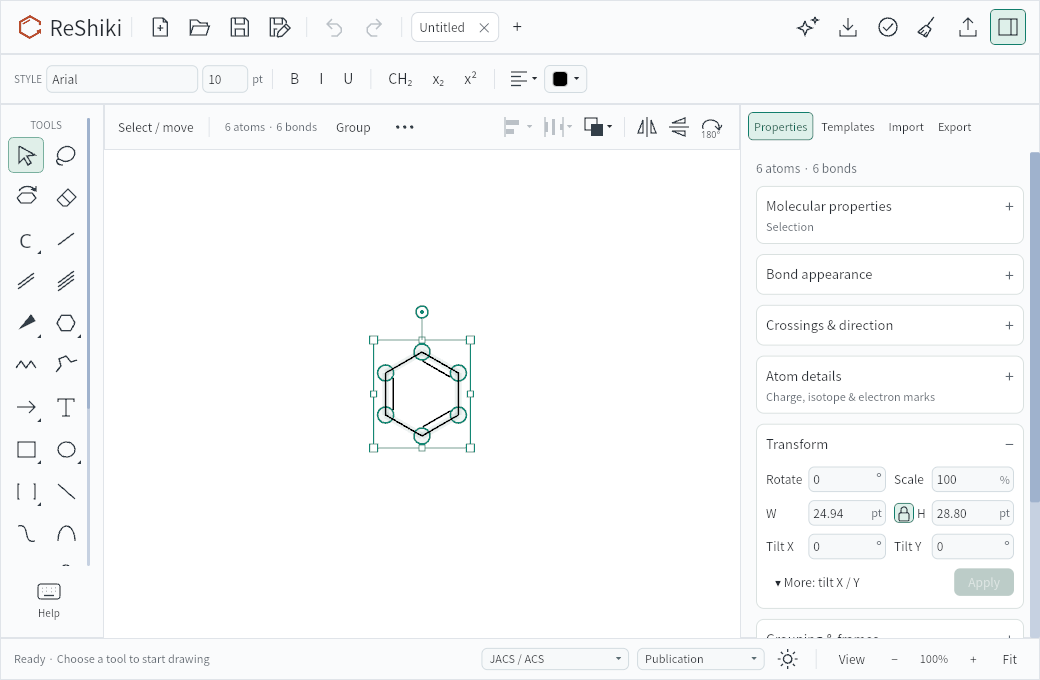
- Use stable rotation centers, double-click handles for numeric transforms, physical drawing-style units, and preserved variable-font weights.
Previous release: ReShiki 0.10.0. The detailed changes below retain contributor credits and links to their validation evidence.
Current limits
Section titled “Current limits”- C60 rendering: floating double-bond strokes can still appear in projected C60 drawings. This display issue remains unresolved. Geometry recovery does not guarantee a global energy minimum; timed-out sampling can fall back to one conformer. The documented initial paclitaxel preview is not converged, and larger fullerenes such as C70 have not been validated here. This limitation describes 0.11.0. This is fixed in ReShiki 0.12.0 (PR #271); see the matched evidence.
- Receiving chemical text: the verified ordinary-Copy reaction route is ReShiki Cmd+C → ChemDoodle Open text field Cmd+V → Load on macOS. The tested direct canvas paste did not import the selection. CAS Draw’s tested molecule route uses its text field, Add and Center Structure; direct CAS reaction/API integration is outside this release.
- Office integrations: the optional Microsoft 365 task pane is an MVP for sideloaded testing with real-host acceptance pending. LibreOffice’s documented headless persistence and interchange checks do not establish all-platform desktop editing acceptance. The Windows embedded ChemDraw paste confirmation covers editable atoms and bonds; save/reopen, Undo/Redo and explicit picture paste remain separate checklist items.
- Desktop review: combined interface, accessibility and end-to-end timing acceptance remain open. Automated contracts and earlier focused desktop evidence do not establish every platform workflow. Memory measurements have documented latency tradeoffs and do not imply a universal speedup.
- Signing and security: Windows and Linux packages remain unsigned. SignPath Foundation approval and Windows signing setup are pending. Earlier Defender results cover exact development files; release-package, browser reputation and additional antivirus qualification remain separate.
Detailed changes
Section titled “Detailed changes”Review checks for the completed allocation and correctness audit are listed in the audit review checklist. PR #142 · @Ameyanagi. Validation wording corrections: PR #143 · @Ameyanagi.
-
Signing and privacy policies: document the current signing status, proposed SignPath process, local processing, and optional online data handling. Windows downloads remain unsigned while the application and signing setup are pending. Code signing policy · Privacy policy · PR #151 · @Ameyanagi. Follow-up wording correction: PR #152 · @Ameyanagi.
-
Embedded ChemDraw paste on Windows: normal Paste reads supported chemical data from embedded Office objects instead of choosing their presentation image. Paste picture retains its explicit image behavior. Validation and desktop review checklist · PR #150 · @Ameyanagi. The user confirmed editable atom and bond paste from Office on Windows.
-
Recover difficult 3D starting geometry: generate usable previews for C60 and difficult imported structures, or continue from validated existing XYZ, with the selected Rust force field. Bounded retries can reduce timed-out sampling to one conformer; complex molecules may need further relaxation. C60 is verified within a conservative cage envelope. Before/after and review checks · PR #149 · @Ameyanagi.
-
Interactive 3D geometry and keyboard drawing: generate conformers with Rust MMFF94, MMFF94s, or UFF, relax around dragged or pinned atoms, and rotate an editable projection before Apply. Automatic rear fading can be frozen or cleared independently of the geometry. Cmd/Ctrl+Shift+D opens optimization. Select/Lasso enables a mouse/keyboard drawing hotspot by default, with arrow navigation and marked ring closure; F8 turns it off. Workflow and supported chemistry · Review evidence · PR #146 · Documentation PR #147 · Issue #48 · @Ameyanagi.
-
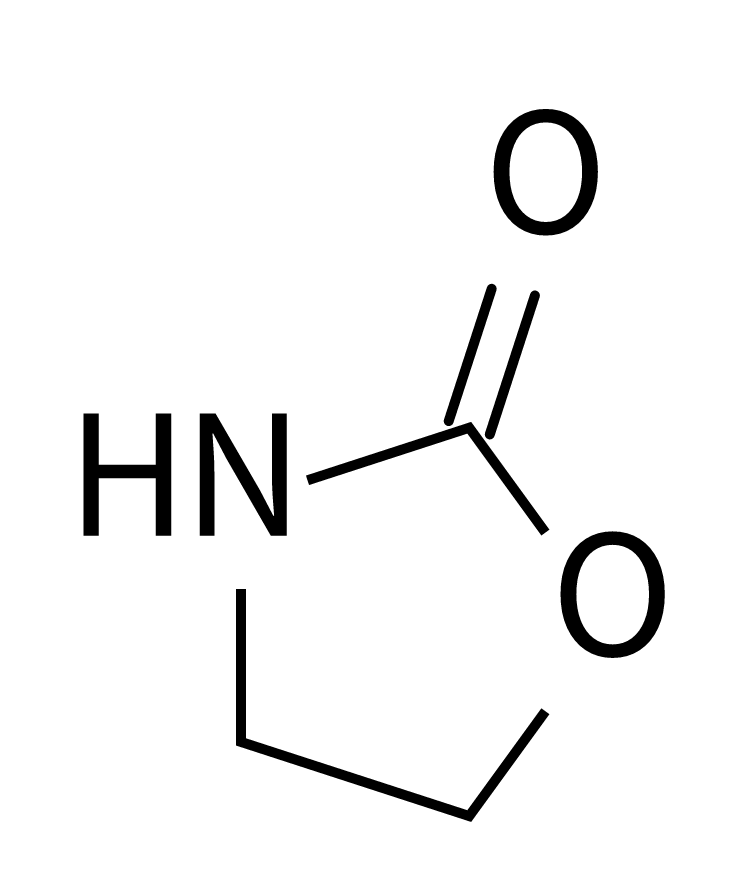
Chemical text alongside ordinary Copy: prepare molecular SMILES or copy-only reaction JSON without changing the drawing. The accepted reaction workflow is ReShiki Cmd+C → ChemDoodle Open text field Cmd+V → Load. October 5 Edge/macOS checks preserved both complete participants and their roles in the aromatic fixture, and imported the no-arrow two-ring SMILES through CAS Draw’s text field, Add and Center Structure. Both complete rings were visible; no search was submitted. Direct canvas paste did not import the ReShiki selection in either tested editor; CAS reaction integration is outside this change. Workflow and limits · Fixture image · PR #144 · Documentation PR #145 · @Ameyanagi.
-
Persistent structure highlights and independent label styles: place editable tint halos behind selected atom labels and bonds. Highlights stay with the structure through editing, Undo, native save and figure export. Contracted labels retain their own font, size, emphasis and foreground ink independently of their internal atoms; supported ChemDraw exchange retains the separate highlight and label styles. Style and exchange details · PR #122 · @Ameyanagi.
-
Cascading context menus: keep parent menus visible while navigating submenus, with pointer and keyboard navigation, scrolling and dismissal handled together. PR #123 · @Ameyanagi.
-
Accessible editor controls and text focus: expose live editor controls through the native accessibility bridge on macOS and Windows, and keep drawing shortcuts behind focused text fields, label drafts and dialogs. Full keyboard and assistive-technology desktop acceptance remains open. Acceptance matrix · PR #124 · @Ameyanagi.
-
Optional Microsoft 365 task pane: prepare editable native drawings and PNG previews for Word, Excel and PowerPoint on macOS and Windows, using a local HTTPS companion and explicit insert/edit/copy commands. This is an MVP for sideloaded testing; real-host round trips remain pending. It requires separate setup and does not add double-click activation to the shared pane. Requirements, setup and acceptance table · PR #127 · @Ameyanagi.
-
Signed macOS geometry admission: preserve the signed app bundle while checking the geometry backend’s parameter sources. Backend distribution · PR #148 · @Ameyanagi.
-
Shared release checks and descriptor preparation: share native target definitions, checksum writing and descriptor query operations while preserving supported platforms, checksums and generated chemistry data. Validation · PR #132 · @Ameyanagi.
-
Lower temporary memory: reuse numeric-transform candidates, consume owned picture buffers and release completed development-worker packets while preserving drawing output and editing behavior. Measurements and exact-output checks · PR #131 · @Ameyanagi.
-
Document and geometry cleanup: reuse internal drawing iterators, owned ring and template data, and bounded editing history while preserving drawing output, selection order, geometry and Undo behavior. Validation · PR #135 · @Ameyanagi.
-
Shared import and rendering logic: share palette parsing, clipboard encoding, reference checkout setup and caption controls; borrow canvas primitives and batch Arrange bounds while preserving existing output. Validation and local measurements · PR #130 · @Ameyanagi.
-
Shared graphic, export, Office and release logic: consolidate graphic-style controls, SVG parsing, Office revision guards and release checksum generation while preserving the existing controls, output settings and error messages. Automated regression checks and rendered graphic-control checks passed. PR #129 · @Ameyanagi.
-
Fewer temporary copies in editing and properties: consume owned aromatic edit drawings, build one properties-cache key per subscription, and retain a smaller native accessibility action registry. Validation errors, cached failures and stale-action rejection preserve their existing behavior. Validation and limits · PR #133 · @Ameyanagi.
-
Atom shortcut targeting and growth: shortcuts recognize complete atom labels, dimethyl and saturated rings use a nitrogen target when its valence allows, and terminal carbonyls continue the carbon chain before placing oxygen. Selection shortcuts refresh their property fields. Details · PR #121 · @Ameyanagi.
-
Canvas preview memory: Borrow unchanged previews and share cache reads while preserving exact renderer pixels; measured allocation savings and CPU limits are documented. Validation and limits · PR #140 · @Ameyanagi.
-
Handle shortcuts for precise transforms: double-click a rotation, corner or edge handle to open the matching numeric field, ready to type. Opening a field leaves the drawing and Undo history unchanged. Details · PR #112 · @Ameyanagi.
-
Reaction membership on joins: Joining existing fragments preserves reaction roles, coefficients and references, and rejects conflicting participants atomically. Validation and limits · PR #137 · @Ameyanagi.
-
Stable selection rotation: repeated rotations no longer shift asymmetric molecules such as Pyrrole. Keyboard, numeric and handle rotations share a stable center, including mixed drawing selections. Details · Issue #96 · PR #112 · @Ameyanagi.
-
Reliable template-library saves: release the save lock explicitly across success and error paths, including concurrent process launches, and distinguish contention from OS errors. Evidence · Issue #56 · PR #111 · @Ameyanagi.
-
Picture and export memory: Compact stored PNG buffers and reuse owned reflection and export rasters while preserving exact drawing output; measured import latency tradeoffs are documented. Validation and limits · PR #138 · @Ameyanagi.
-
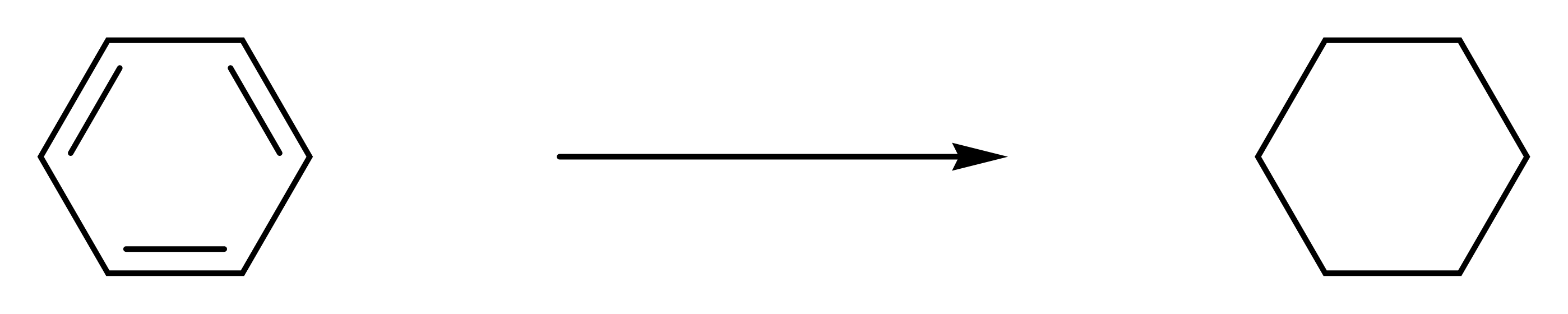
Variable-font export weights: normal and bold labels keep their requested weight in SVG rendering and selectable-text PDFs. Matched before/after · Image · Issue #103 · PR #116 · @Ameyanagi.
-
Native clipboard transport: Share ChemDraw alias buffers, release completed Wayland requests and wait for X11 events while preserving formats, pipe bounds and print behavior. Validation and limits · PR #139 · @Ameyanagi.
-
Safer native print and OLE code: use safe macOS print-info construction and encode Windows object descriptors without reading raw struct memory. Native contract tests preserve the existing output layout. Evidence · Issue #107 · PR #113 · PR #114 · @Ameyanagi.
-
Built-in template journal size: Built-in templates inserted in empty space follow the current journal size; personal and attached templates keep their existing geometry. Validation and limits · PR #136 · @Ameyanagi.
-
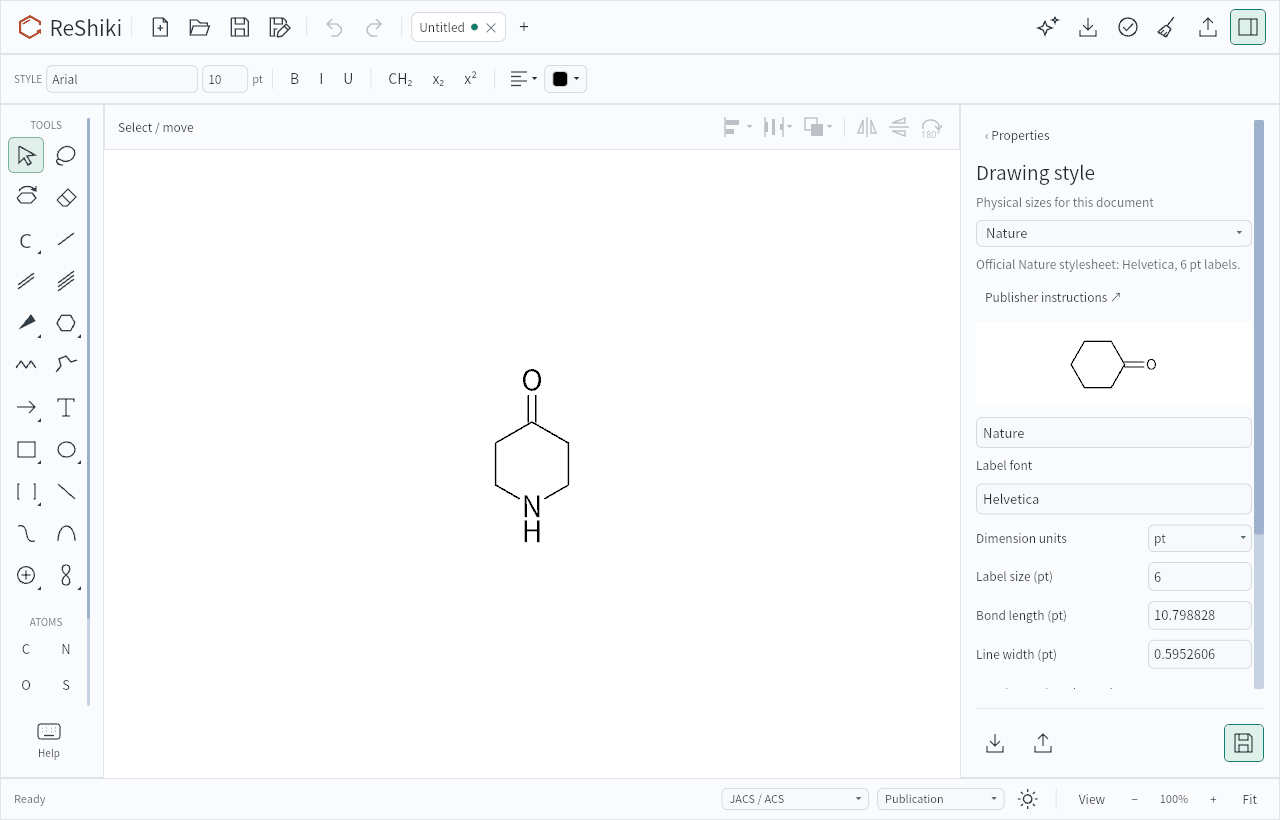
Physical drawing-style units: enter dimensions in pt, mm or cm while stored styles keep their physical size. Incomplete input retains focus so it can be finished before applying. Details · Dimension units image · Native check · Issue #89 · PR #115 · @Ameyanagi.
-
Native chemistry allocations: Move owned requests, borrow serialization and ranking data, and share immutable codec defaults while preserving scientific outputs and bounded worker behavior. Validation and limits · PR #141 · @Ameyanagi.
-
Manual SciFinder handoff: follow verified molecule-import and bounded ChemDoodle reaction-search workflows using ReShiki’s prepared structures. Search and query review remain in the browser. Guide and limits · Issue #95 · PR #120 · @Ameyanagi.
-
Office and LibreOffice payload handling: reuse drawing bytes and stored XML lengths while preserving document data, validation and recovery behavior. Office regressions and Linux headless Writer/Calc/Impress reopen, reload and Save As checks passed; desktop and cross-platform acceptance remains separate. Validation and limits · PR #134 · @Ameyanagi.
-
Editable LibreOffice drawings: an optional extension stores native drawings and previews in ODT, ODS and ODP; Linux gains persistent multi-format clipboard transport. Three-platform headless persistence and exchange checks passed; desktop edit/paste acceptance remains separate. Setup and validation · Issue #109 · PR #118 · @Ameyanagi.
-
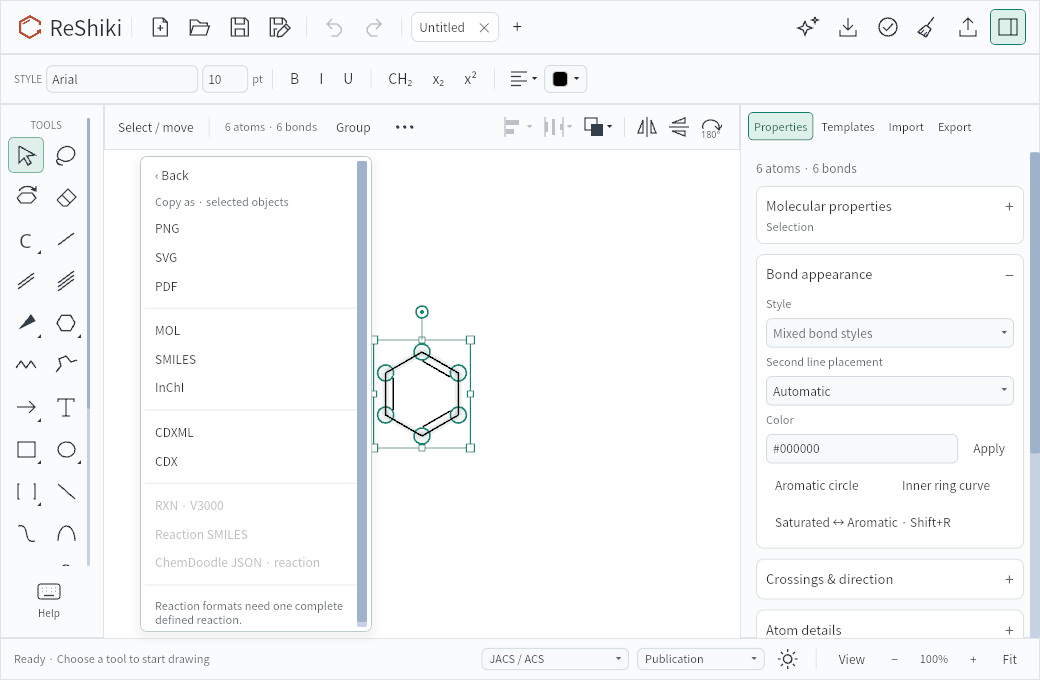
Scoped Copy as: choose picture, molecular or reaction formats for selected objects or the whole drawing. Stale preparation results cannot overwrite a newer ReShiki copy. Formats and limits · Menu image · Evidence and image provenance · Issue #110 · PR #119 · @Ameyanagi.
-
Windows security evidence: collect exact-file Defender scan results with artifact hashes, matched scan events and unchanged protection settings. Final development binaries passed; release-package and additional antivirus qualification remain open. Evidence protocol · Issue #62 · PR #117 · @Ameyanagi.
-
Combined interface acceptance: expand the shared regression fixtures and record targeted macOS checks for compact controls, transforms, arc editing and history. Final Windows, accessibility and performance gates remain open. Acceptance matrix · Compact Transform image · Issue #78 · PR #124 · PR #126 · @Ameyanagi.
-
Stable-release reference checks: assign the C60 and embedding integration targets to a live-reference shard and run the reference-protocol fixture in Python UTF-8 mode on Windows. These CI and test changes preserve the application runtime and the required release checks. PR #158 · @Ameyanagi.
-
Release preparation: update the version, release documentation and publication highlights while retaining the merged application code and excluding the ongoing refactoring branches. PR #185 · @Ameyanagi.
-
0.11.0 release validation: document the tagged source, six-platform release checks, public-download checksums and macOS signing and native-worker verification. Validation record · PR #187 · @Ameyanagi.